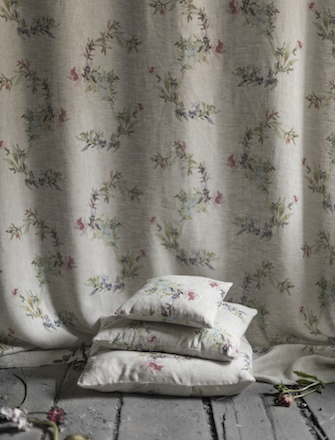
Ljungbergs – en vacker värld av mönster
Sedan mitten av förra seklet har Ljungbergs tillverkat tryckta textilier av högsta kvalitet. En kulturskatt – ständigt aktuell och under ständig utveckling.
Allt från rekonstruerade 1700-talsmönster till moderna klassiker av formgivare som Stig Lindberg, Viola Gråsten och Sven Markelius, samt mönster av dagens framstående formgivare.
Välkommen in!
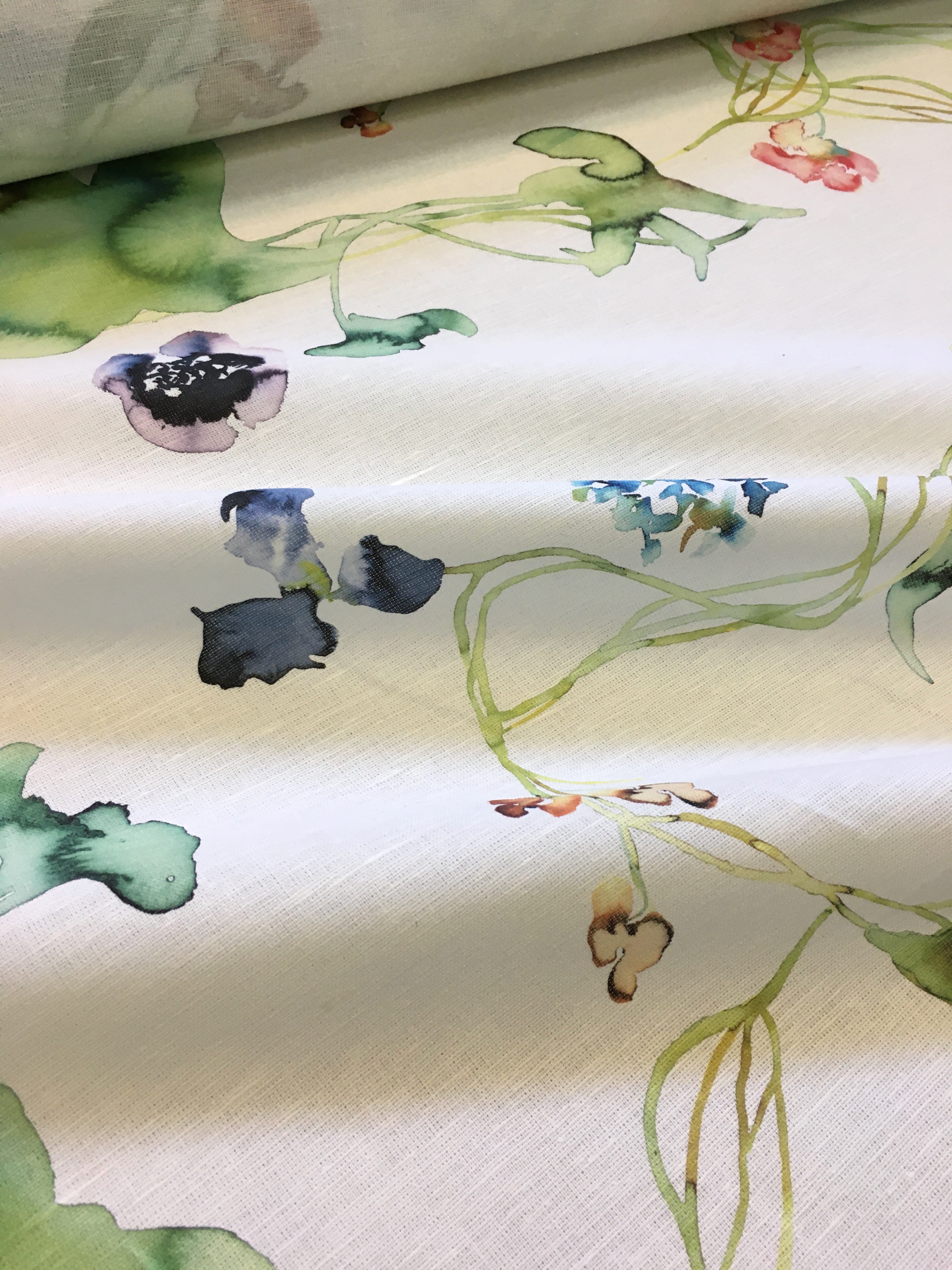
Grand på bomull/lin!
Nu finns det vackra mönstret Grand
av Malin Björklund åter i lager.
Tyget trycks i Sverige med miljövänliga färger.
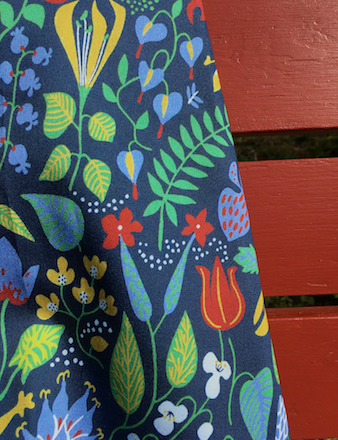
Herbarium på bomullssatin!
Äntligen finns nu Herbarium av Stig Lindberg på en
bomullssatin med vacker lyster som även är lämplig till möbler.
Mycket fin som lyxigare gardin, duk, kudde eller draperi.
Tryckt i Sverige!
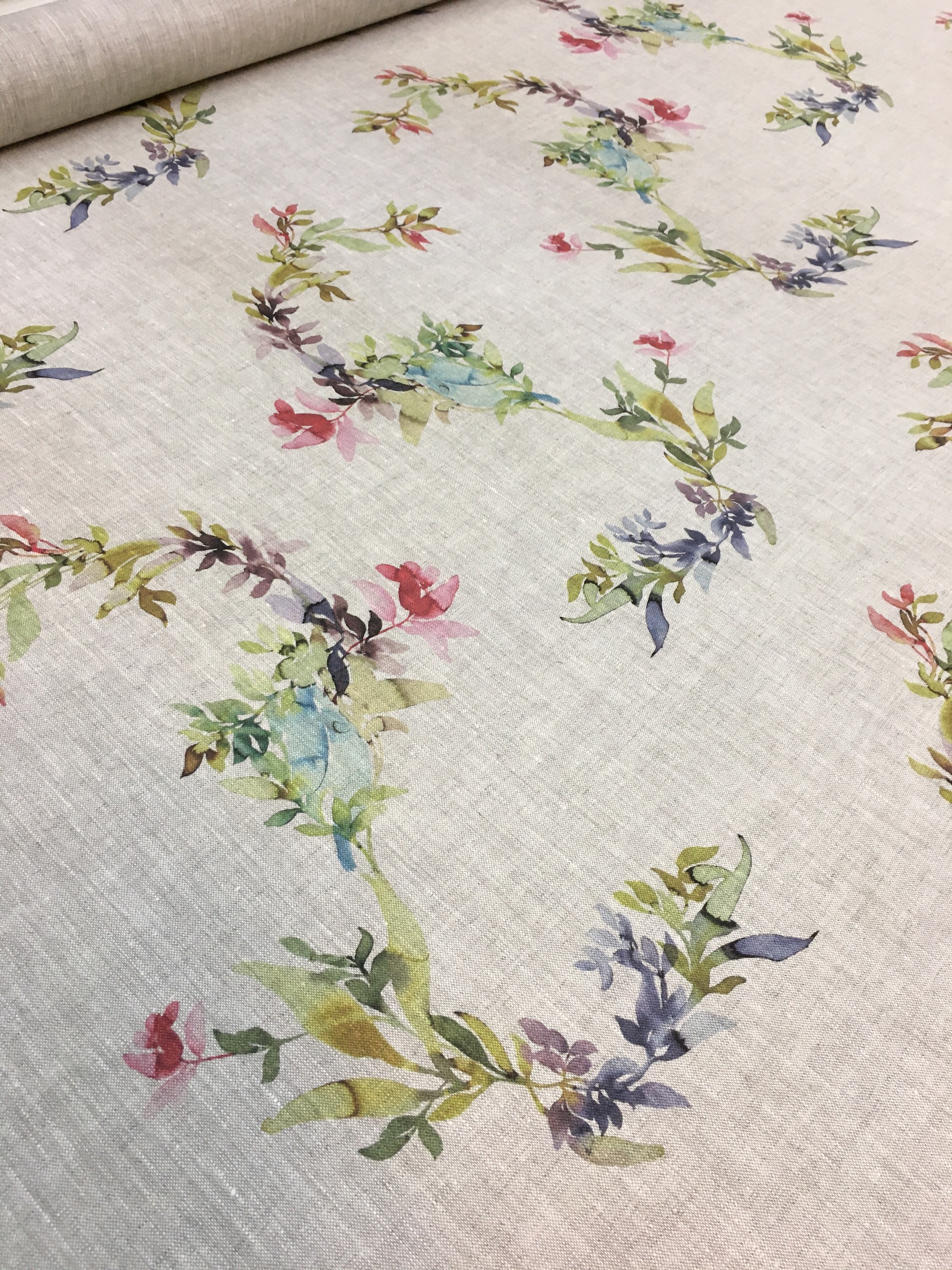
Ess av Malin Björklund!
Ess är ett nytt vackert mönster av Malin Björklund
på 100% linväv som är oblekt.
Malin är en konstnär som målar sina mönster
med flytande tusch för hand.
Gardinkvalitet med 150 cm bredd,
som även är väldigt fin som duk, kudde eller draperi.
Tyget är tryckt i Sverige.
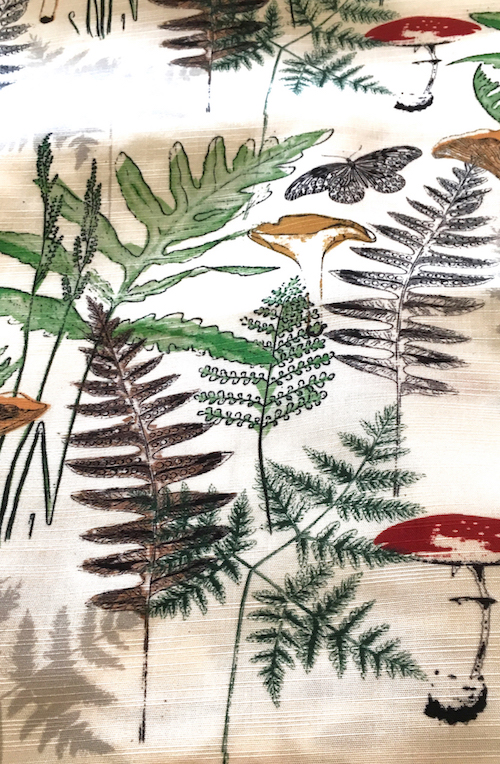
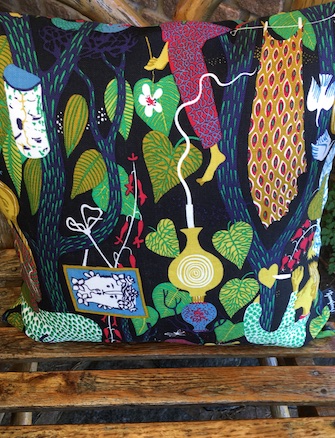
Skogsglänta
Nytt mönster av Gunilla Gunnarsson på Trevira CS Struktur.
Naturnära och med klara färger är Skogsglänta ett mönster för både hem och offentliga miljöer.
Gardinkvalitet med 150 cm bredd.
Grundväven av 100% Trevira CS, tillverkningsland: Schweiz.
Tryckt i Skandinavien.
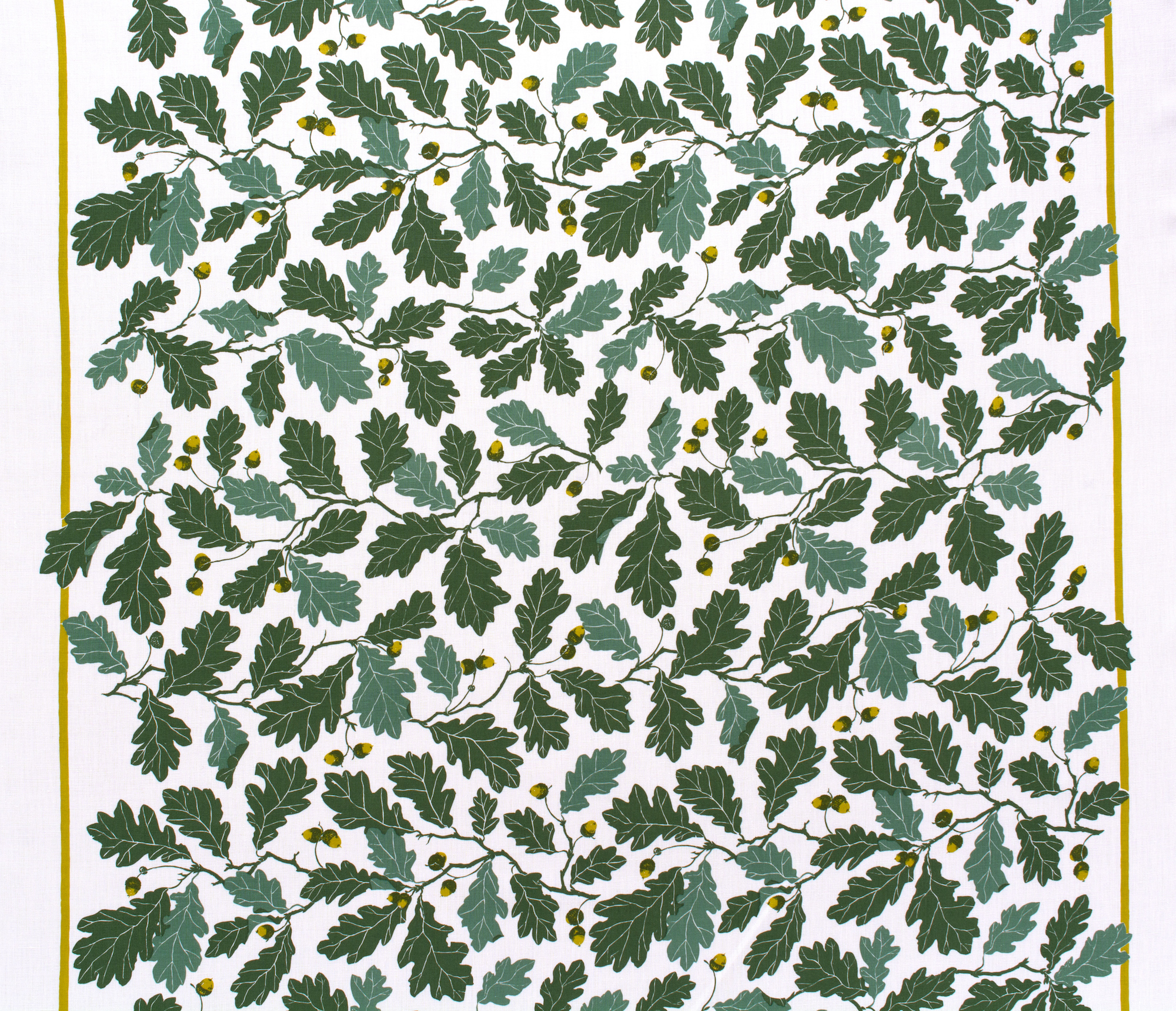
Ekblad på 100% lin
Ekblad av Maria Åström har funnits tidigare i Ljungbergs kollektion på bland annat en bomullsväv.
Nu är den tillbaka på en väv av 100% lin från Berghems Väveri.
Fin som gardin eller draperi, kuddar och duk.
Passar även till möbler.
Väven tål 28000 varv Martindale.
Bredd: 150 cm.
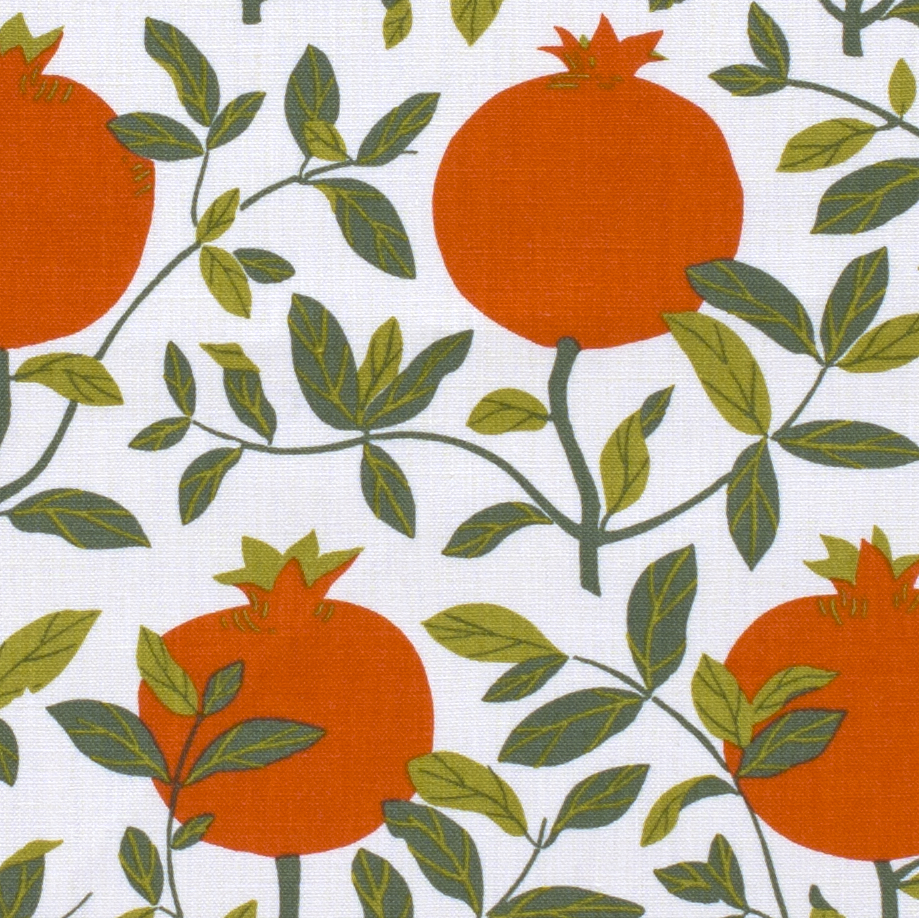
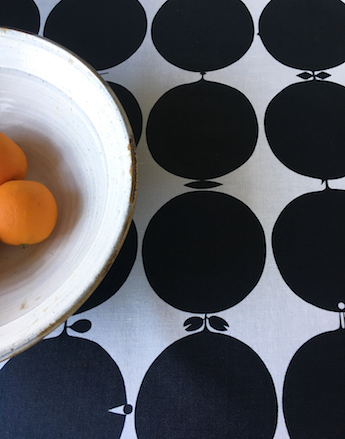
Granatäpple!
Maria Åströms mönster Granatäpple finns nu i två läckra färgställningar:
En lysande orange, och en mustig brun med metalliskt skimmer.
Tryckt med reaktivtryck på 100% lin. Väven kommer från Berghems Väveri.
Passar till gardiner, draperi, kuddar, duk, och möbler.
Väven tål 28000 varv Martindale.
Bredd: 150 cm.
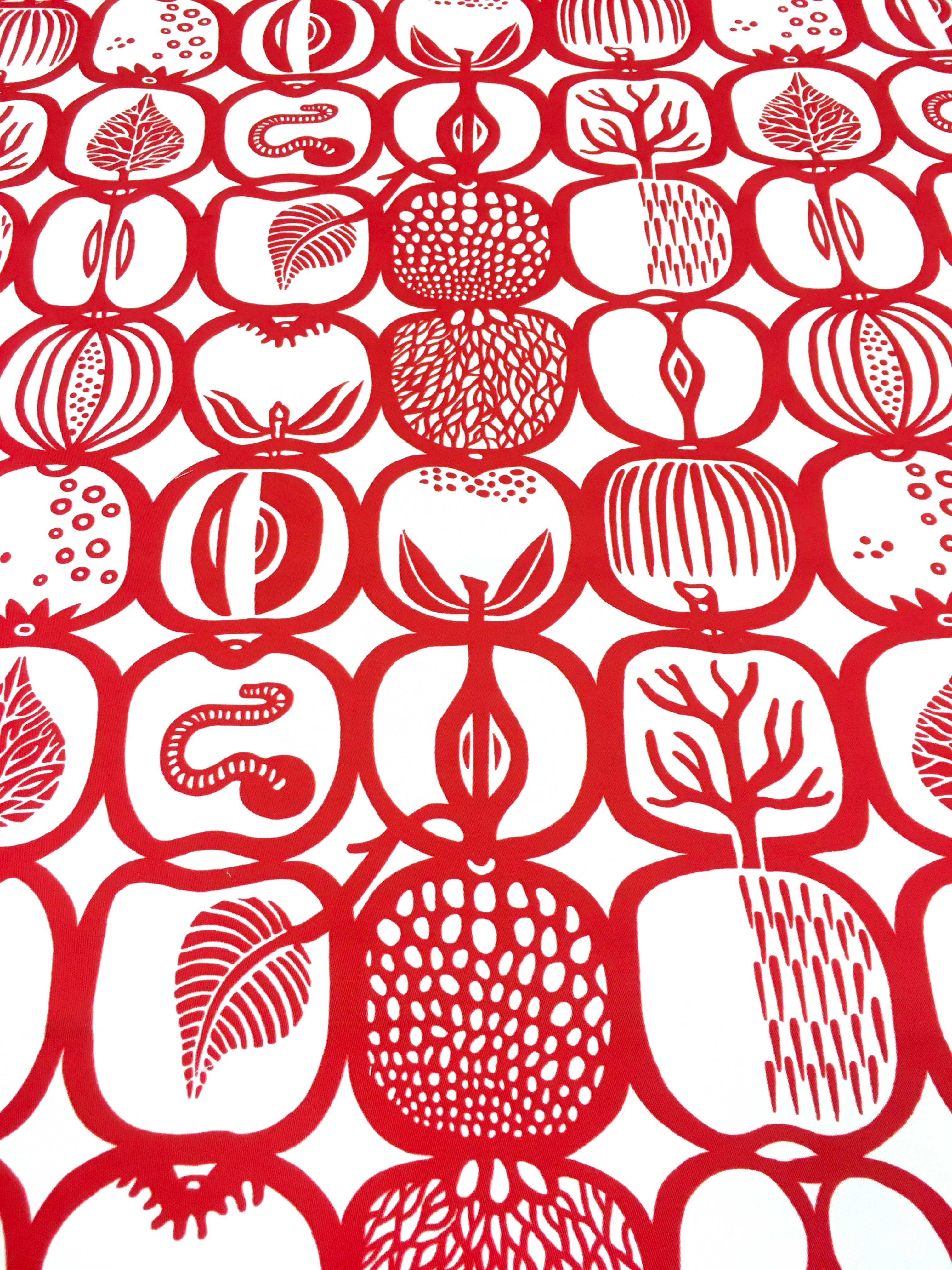
Fruktlåda på satin
Stig Lindbergs Fruktlåda finns nu i rött på vit
bomullssatin med fin lyster!
Tryckt i Sverige med reaktivtryck.
Passar till gardiner, kuddar, duk, och möbler.
Väven tål 15000 varv Martindale.
Bredd: 150 cm.
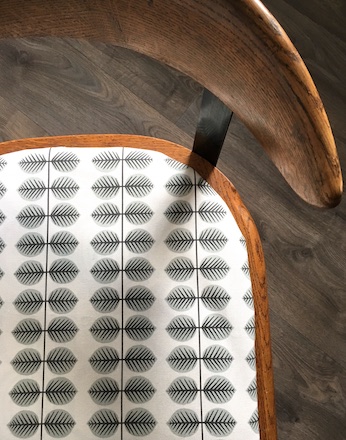
Berså av Stig Lindberg
Det välkända porslinsmönstret Berså på metervara är både
vävt och tryckt i Sverige
Mönstret trycks på en väv av 100% EKO-bomull från Berghems Väveri.
Passar till gardiner, kuddar, duk, och möbler.
Finns i klassisk grönt, samt blått och grått.
Bredd: 140 cm.
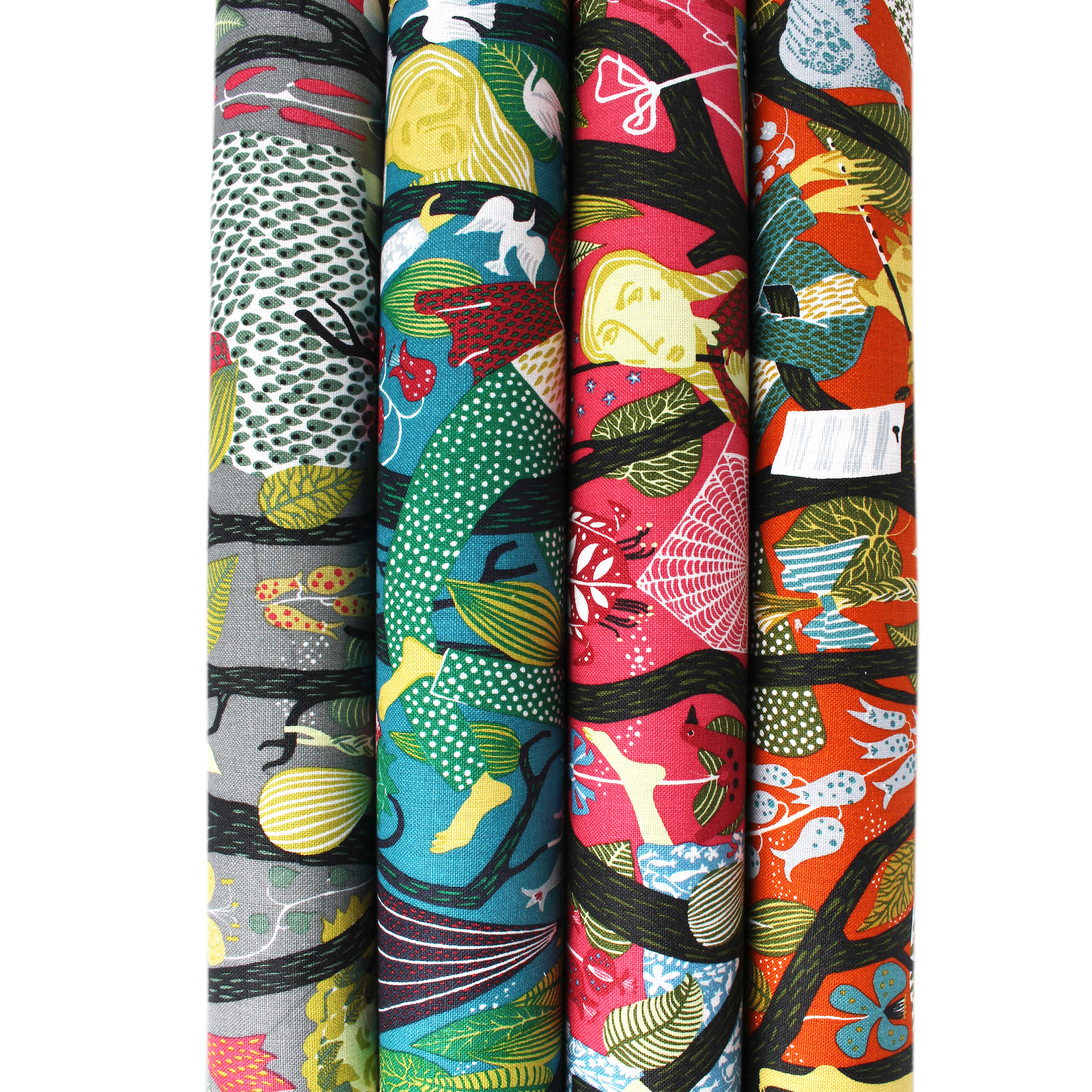
Svensk linneväv
Nu trycks Ljungbergs mönster på linneväv från Berghems Väveri.
Våra grundvävar i 100% lin tillverkas i det lilla samhället Berghem i Västergötland.
BERGHEM